

Profile: FSC Student Interns for Paris Fashion Startup:
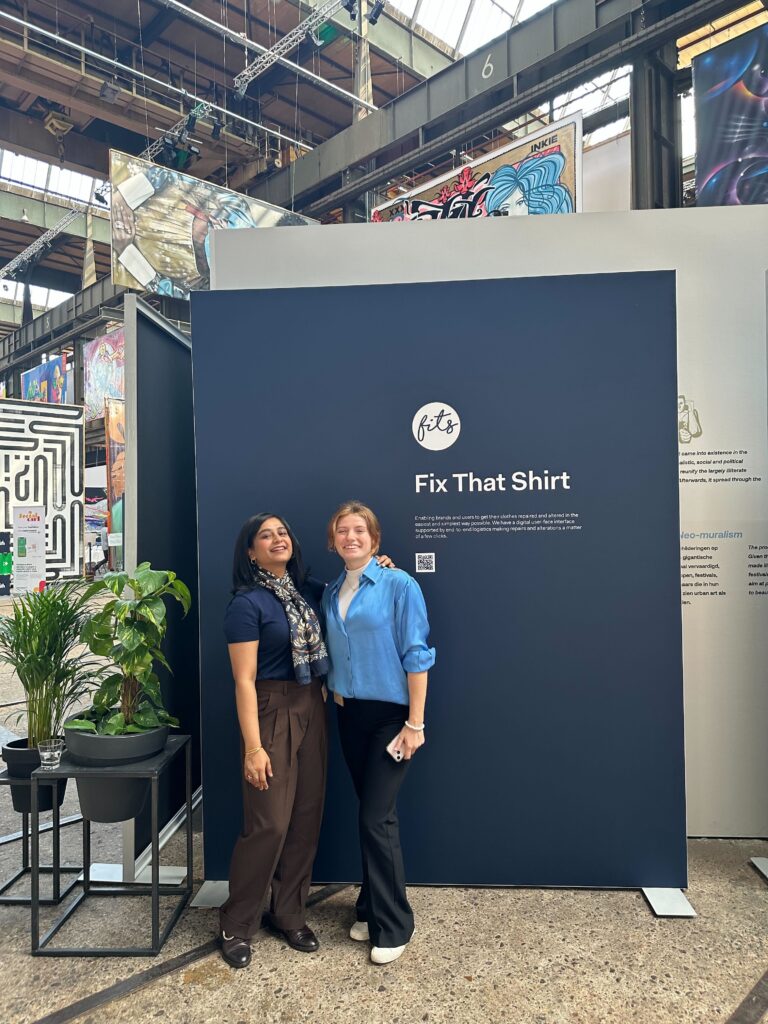
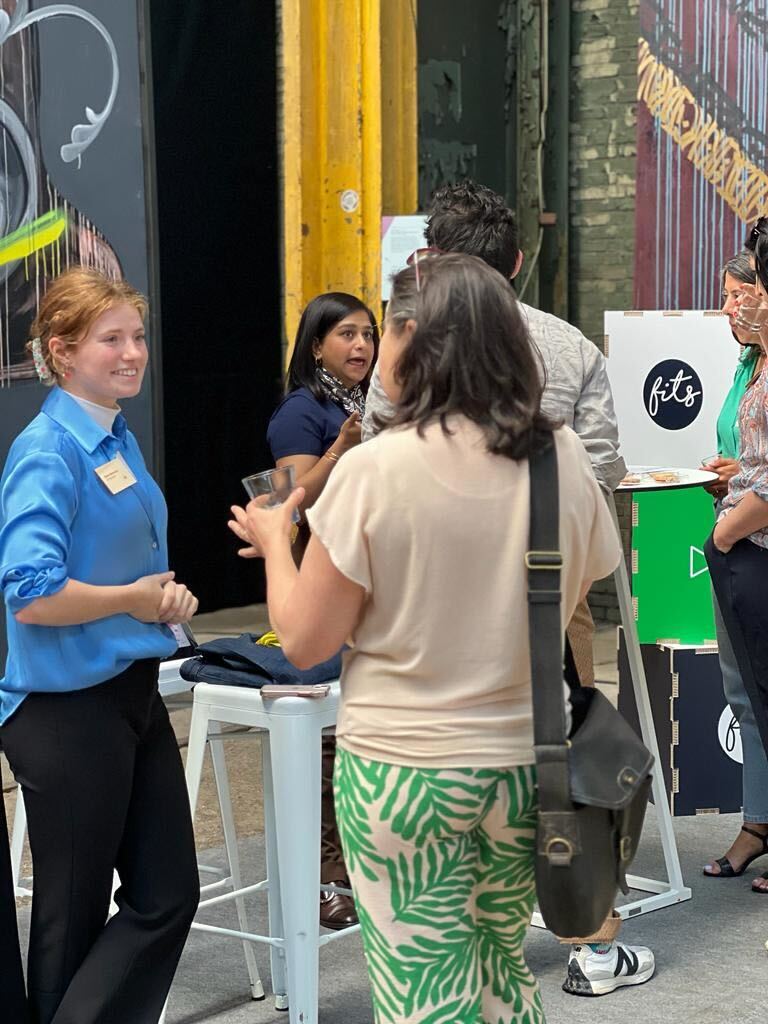
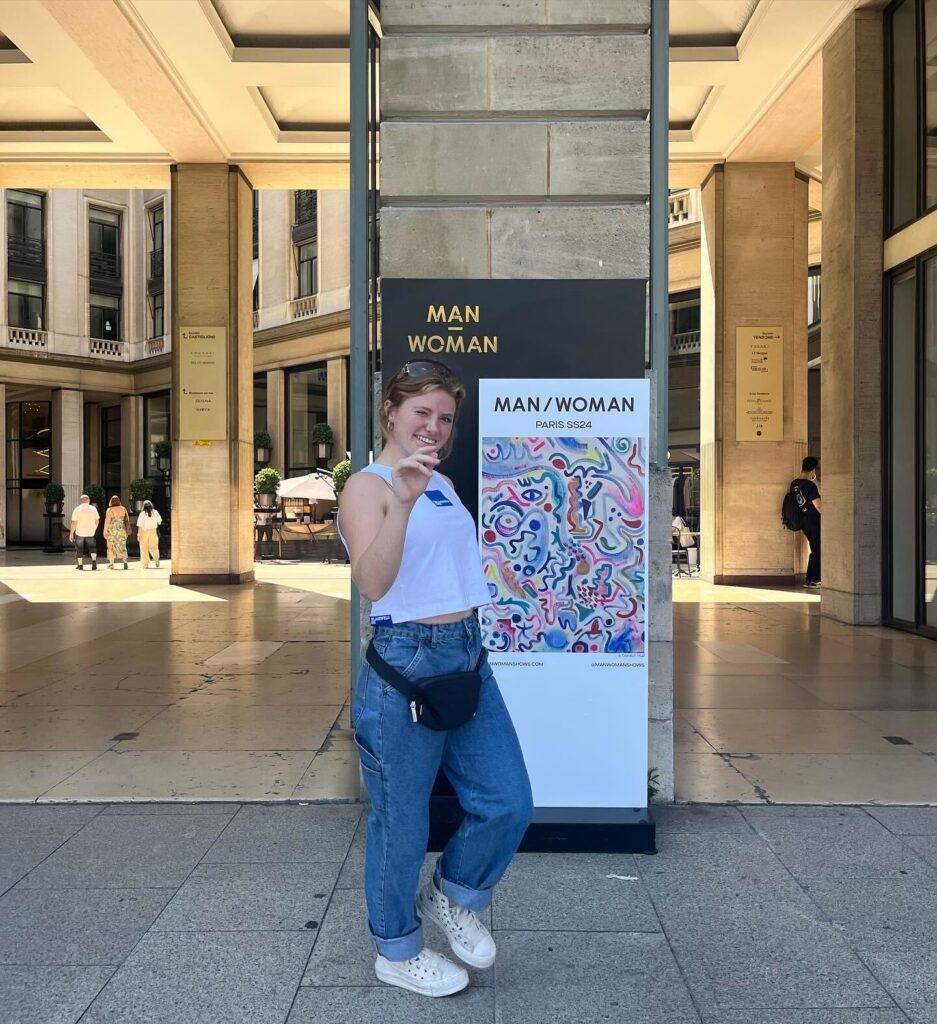
Emma Sammons, a sophomore business administration major from Mississippi, experienced a unique internship this past summer. She participated in marketing for a fashion technology startup based in Paris called Fix That Shirt.
The goal of the startup is to increase sustainability using clothes that are already manufactured and using them to repair damaged items.
“I did a lot of investor interface with American investors because they needed a translator. I also did a lot of marketing for them and front-facing consumer experience,” Sammons said.
Fix that Shirt has analyzed fashion waste and taken initiative to take scraps to repair consumers’ clothes that would normally be thrown away and sent to landfills.
“When I was at Fashion Week, I was talking with some of the companies about where they source from because if they source from certain areas of the world, you can almost tell immediately that they’re not sourcing ethically or sustainably,” Sammons said.
Those regions were almost always Asia, Taiwan or Indonesia. It’s not just production of the actual item that holds issues, it can also be where these fashion companies source their materials.
“If you ask about what fabric they’re using and they’re using a certain fabric from a certain part of the world, you can tell 100% that they’re not being ethical or sustainable. It doesn’t necessarily take child labor camps to make something unethical,” Sammons said.
Despite the large amount of unsustainable fashion Sammons experienced, she does have hope for the future of fashion.
“A lot of the EU produces sustainably, and there’s some parts of Africa that produce sustainably,” Sammons said.
As for sustainability on FSC’s campus, Sammons shares that it’s a difficult issue to change, “It’s hard because we are all broke and want to stay on trend. I still think it’s important to break out of that and prioritize the environment.”
A way she suggested to help this is buying less low-quality items and, for instance, one high quality item and trying to figure out how to style that piece in multiple ways.
How Student's Purchasing Habits are Shaped by Economic Trends:
Inflation is rising, cost of living is increasing, and while households are feeling the pressures of the economy, college students are becoming increasingly vulnerable to economic pressures.
Many work minimum wage jobs or internships and are subjected to the rising prices of tuition. However, they still require clothing and as the internet is making fashion trends more accessible, college students are still buying and participating.
An article from Forbes stated, “72% Of College Students Shopped Fast Fashion In 2022.” Some of the most popular fast fashion brands include Shein, Forever 21, and Zara.
Sophomore Carter Creese has been an avid participant in the purchase of fast fashion but has recently had a desire to shop more sustainably. “It’s definitely a struggle since online shopping makes fast fashion so accessible, but lately i’ve tried to do my research and start shopping from brands that are better for the environment, however they are usually extremely expensive and just not feasible for college students.”
This can especially be true with the demands of society and current culture where pressures from social media can make students feel like they have to have a new outfit for every occasion and have to be a part of each new trend that takes effect.
For instance Forbes stated, “Viral terms such as #Rushtok and #OOTDs are flooding the internet with new styles daily, and nearly half of college students say that it’s hard to resist the temptation of fast fashion.”
“I feel like every time I open TikTok or Instagram I am introduced to a new trend or product that it feels like everyone else has, and then I immediately get an ad for it on TikTok shop and it’s hard to say no, ” said Creese.
Vogue described the items TikTok shop sells as “cheap to buy — in the $4-25 range, fit for impulse purchases — and quality can be dubious, with multiple listings for the same item appearing across the platform at different price points.”
For those concerned about the rise of fast fashion there is some hope, as more awareness and education of fast fashion brands becomes popular students and society are becoming more intentional, “I feel like brands like Shein and H&M are becoming ‘canceled’ in a way because now more people my age are aware of how damaging they can be,” Creese said.